
Driving for Uber, renting a room on Airbnb or freelancing on the side? How side income is taxed, when you need an ABN or GST registration, and what platforms now report to the ATO.
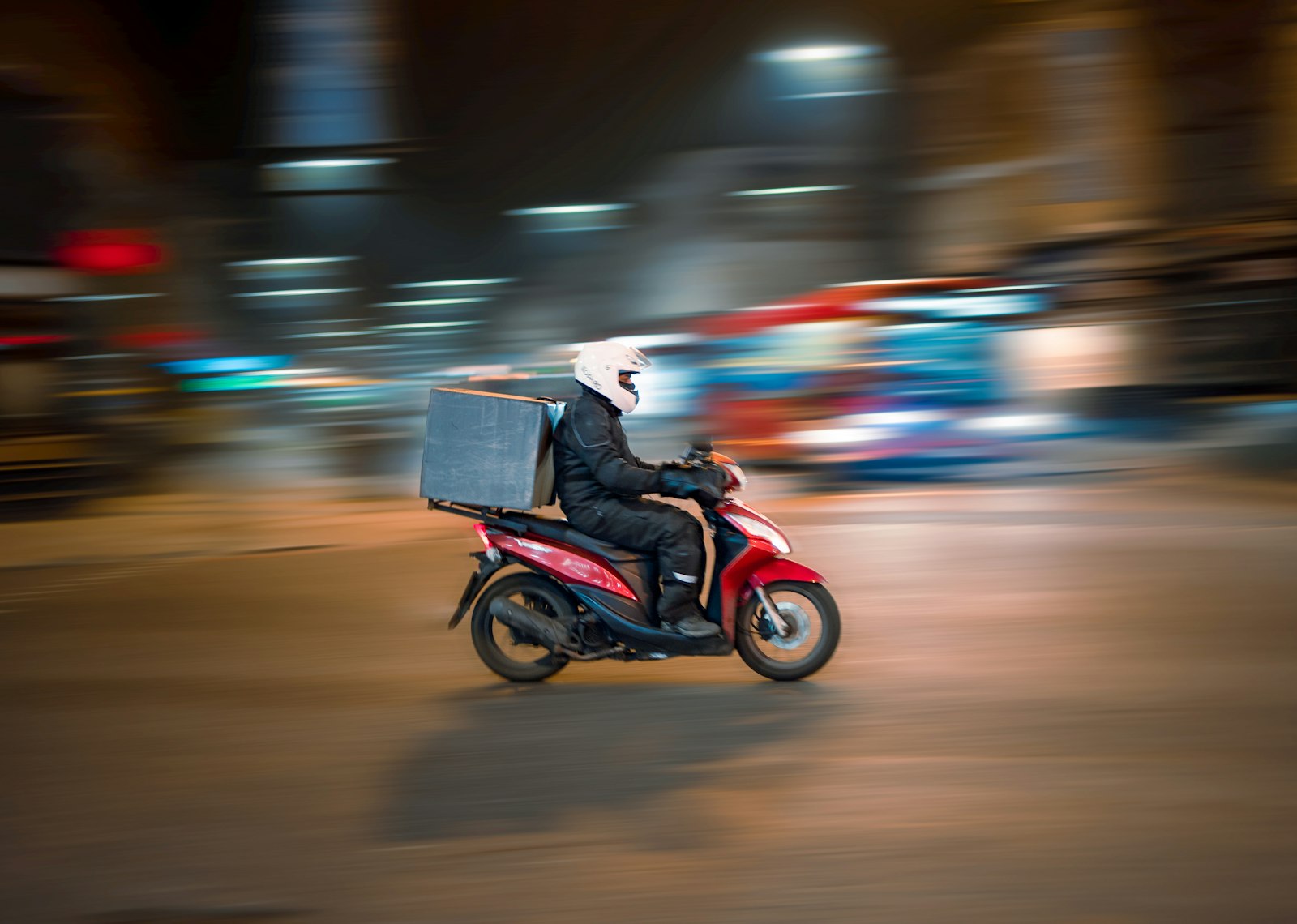
Many people now earn extra income on top of their job: driving for a ride-share app, renting out a room or holiday home, delivering food, freelancing or selling products online. This income is usually taxable, and the ATO has far more visibility of it than it did a few years ago.
Under the sharing economy reporting regime, platform operators must report their sellers’ transactions to the ATO. Ride-sourcing and short-term accommodation platforms have reported since 1 July 2023, and all other platforms, such as those for tasks, deliveries and services, since 1 July 2024. The ATO matches this data against tax returns, so leaving side income out is very likely to be picked up.
Income from a genuine hobby is not taxable, and selling your own personal items, such as clothes or furniture, is generally not taxable either. But an activity is likely to be a business if:
Driving for a ride-share or delivery app, regular freelancing and ongoing online selling are usually treated as businesses.
Income from short-term rental through platforms such as Airbnb or Stayz is taxable. You can claim a portion of expenses such as cleaning, platform fees, and a share of interest, rates and insurance, based on the area rented and the days it was available. Residential rent is input-taxed, so GST does not apply. Renting part of your main residence can also reduce your main residence exemption from capital gains tax when you sell, so keep records of the dates and areas rented.
You can claim expenses directly related to earning your side income, such as platform fees, equipment and supplies, and the work-related share of your car or phone. Where something is used privately as well, only the business portion is deductible.
If your side business makes a loss, you cannot always offset it against your salary. Under the non-commercial loss rules, your adjusted taxable income generally needs to be under $250,000 and the business must pass one of four tests, such as earning at least $20,000 in assessable income for the year. Otherwise the loss is carried forward and used against future profits from that business.
No tax is withheld from most side income, so you may face a larger bill at tax time. Put aside a portion of what you earn, and be aware that the ATO may place you into PAYG instalments to pay tax during the year. Keep your records for five years.
Side income can be a great way to get ahead, as long as you get the tax right from the start. Keep a separate bank account, record your income and expenses as you go, and check whether you need an ABN or GST registration. If you are unsure where you stand, we can review your situation and set you up properly.


